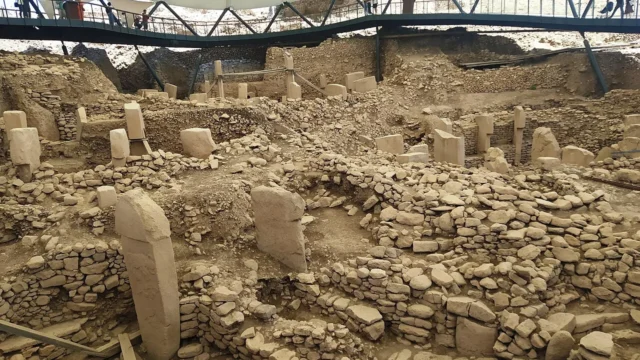

A burned wall beneath a hospital may hold a clue to Paris before it became the city we know. On the Île de la Cité, archaeologists have found stone and charred wood that could belong to the defended settlement of the Parisii.
This ancient Lutetia discovery is not a neat birth certificate for Paris. It is a set of remains with a promising interpretation. The French Ministry of Culture explains a possible link to a Gallic wall burned in 52 BCE, as Roman forces approached.
The gap matters. Burned material records a fire. A past account records an event.
Showing that the two refer to the same moment needs more than a striking resemblance.
Imagine modern hospital courtyards above layers of earlier life. Each layer changes the meaning of the one below. The dig is exciting because it may bring a disputed part of the city’s earliest story into sharper view.
What Was Found Under the Hôtel-Dieu
Excavations beneath the Hôtel-Dieu on the Île de la Cité have revealed stone wall remains, charred wood, and linked deposits. Officials say the wall could form part of Gallic Lutetia’s defenses. That interpretation is promising but working, and it must be tested against the site’s dates and construction sequence.
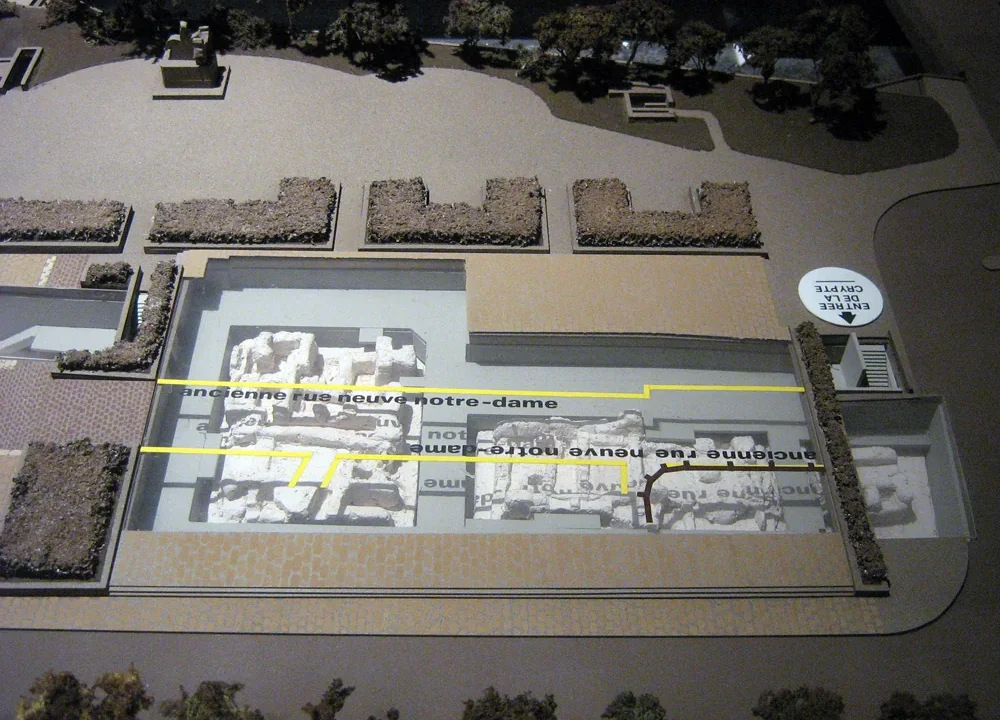
The site lies in two courtyards of the Hôtel-Dieu, close to Notre-Dame. The location is central to modern Paris and to long-running questions about its early settlement.
The City of Paris archaeology team and Inrap began the preventive excavation in February 2026. Preventive work studies threatened remains before a development changes or removes them.
The reported finds include a wall and burned material. An artificial platform of sand and gravel behind the structure adds to the proposed interpretation as part of a defensive work.
The physical clues do not carry a label saying Lutetia. Teams assign that meaning through the structure, context, and comparison with other clues.
Ancient Paris was not one unchanging place. Settlement, building, destruction, and rebuilding can leave a hard stack. A wall’s setting is therefore central to the argument.
The discovery brings a new piece to a larger puzzle. It does not erase every earlier question about where the Parisii lived or how the settlement developed.
The careful wording is part of the value. A possible defensive wall invites given tests. A headline that simply declares the city’s birthplace can hide the work still needed.
A map can help keep the two nearby digs apart. Put the Hôtel-Dieu courtyards on one side and the cathedral site on the other. They share a city block’s history, but each trench has its own layers and records.
Why Fire Is a Clue, Not a Date Stamp
Charred wood shows that material burned. But it does not alone identify the cause or exact year. Teams compare dating results, layers, and construction details with past events.
A proposed connection to 52 BCE becomes stronger only when those independent clues fit within the doubt of the clues.
Fire leaves visible traces. So it invites a dramatic story. The danger is to choose the story first and then make every blackened surface fit it.
A building can burn through accident, attack, or many other causes. The remains of a fire do not name the person who lit it or the reason it spread.
Dating can narrow the period. Yet dates often come with a range, and the dated material may be older than the event that burned it. A timber could have grown long before it was used.
Related Reading
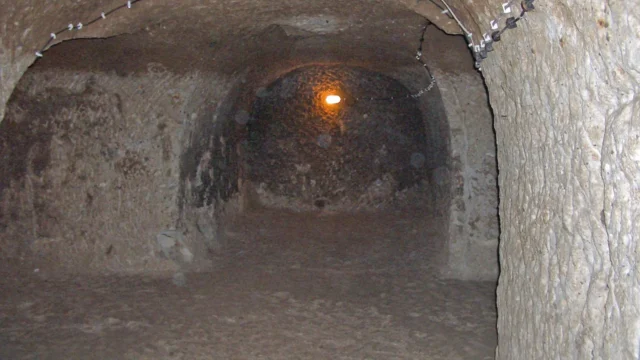
Layers help show what happened before and after. If a later floor covers a burned deposit, that link gives the fire a place in the sequence.
The proposed 52 BCE connection comes from comparing the remains with the past setting of Caesar’s campaign. It is a hypothesis to evaluate, not a year read directly from the wall.
Strong interpretations use several lines of clues that do not merely repeat the same assumption. A date, a construction feature, and a secure layer can work together.
That process keeps the discovery open to correction. New study may strengthen the proposed event or shift the account. Either outcome adds knowledge if the clues are clear.
Lutetia, the Parisii, and a Changing City
Lutetia was linked with the Parisii before Roman urban development changed the area. Its early location and defenses have been debated because texts and surviving remains offer partial views. The new wall may inform that debate.
But a single site cannot explain every phase of the later city’s growth.
The name Parisii connects the modern city with a Gallic people. It is a useful link across time. But it should not make us picture today’s street plan in the ancient landscape.
River channels, banks, and ground levels change. People also alter them with fills, walls, and buildings. Reading an early site needs reconstructing the setting in which it was used.
Roman Lutetia belongs to a later part of the story. Public buildings, roads, and urban habits developed within a world shaped by Roman rule. Those remains cannot simply be projected backward onto the earlier settlement.
Past texts can name places without giving a modern survey map. They may focus on military action rather than everyday layout. Archaeology gives another view, though it is also partial.
That is why Gaul archaeology often works through comparison. A structure can be assessed against known defensive forms, local materials, and other sites of a similar period.
The best question is therefore narrow: does this wall fit the proposed Gallic defensive phase here? That is more useful than asking whether one trench reveals all of ancient Paris.
A city has many beginnings in distinct senses. A settlement’s start, a Roman town’s growth, and a modern name’s rise are related. But they are not one event.
How a Courtyard Dig Rewrites a Map
A small excavation can change a past map when it reveals a structure in a key location. Survey records, measured plans, and layer links allow teams to place that structure within the wider landscape. The result is a tested update to a model, not a full reconstruction from one trench.
From the street, a courtyard may look like a small space between large buildings. Below ground, it can offer an unusually useful view of earlier layers.
Urban digs often face limits. Modern walls, services, and safety needs shape where a team can work. The trenches are a sample of a site, not an open view of every buried feature.
A measured plan gives the sample an exact place. It shows where a wall runs, how much survives, and what the team actually seen.
Settlement evidence gains meaning when those plans are compared. A short stretch in one trench may connect with other features, or it may not. A dotted line on a reconstruction should not become a solid wall in the reader’s mind.
Teams also need to record absences carefully. Not finding a feature in one small area does not prove it never existed elsewhere.
This is a key habit for public history. A beautiful map should show the strength of the clues, not only the confidence of the designer.
The Hôtel-Dieu finds may alter how teams picture Gallic Lutetia. The change will be most persuasive when the details can be inspected, compared, and tested by others.
What the Discovery Adds to a Walk Through Paris
The find gives modern Paris a deeper layer of visible history in the public imagination. It reminds visitors that well-known landmarks stand above earlier landscapes and communities. That sense of depth is valuable, even while the wall’s exact identification remains under study and should be set out with appropriate care.
Walk near Notre-Dame and the view encourages attention upward. Towers, façades, and bridges fill the scene. Archaeology asks us to look down as well.
The city beneath the city is not one intact hidden world. It is a patchwork of remains, gaps, and later changes. That makes each secure discovery notably useful.
A wall under the Hôtel-Dieu can connect a present-day place with an earlier need to defend, store, or organize space. The exact function still needs testing. But the human questions are well-known.
Who built it? What did they hope to protect? What happened when the structure no longer served its purpose?
The finds may answer some of those questions more clearly than others.
A visitor can enjoy the mystery without turning doubt into fiction. The phrase could be part of the Gallic defenses preserves the real excitement and the real limit.
The discovery’s lasting power lies in that change of scale. A hospital courtyard is no longer just a courtyard. It becomes a place where modern life touches a much older landscape.
Paris does not need a single dramatic origin scene to feel remarkable. Its layered history is richer than that, and a burned wall may now help us read one of its earliest pages.
Frequently Asked Questions
These questions clarify the location, the proposed fire date, and the reach of the discovery. They separate the Hôtel-Dieu excavation from the nearby cathedral and distinguish a possible past link from proof. The find can reshape a debate without closing every question about the early settlement of Paris.
Was the Wall Found Inside Notre-Dame?
No. The reported wall comes from excavations in courtyards of the nearby Hôtel-Dieu on the Île de la Cité. It is a distinct archaeological project.
Does the Burned Wood Prove a Fire in 52 BCE?
No. A link to that past event is a proposed interpretation. Dating and the site’s sequence must support the connection.
Does This Find Settle Every Debate About Lutetia?
No. It adds key clues from a key location. Wider questions about the settlement still require other sites, records, and study.