A trace of gold can change the story of an island. On Lismore, off the west coast of Scotland, small finds from craft work have helped bring an early church community back into view. The exciting part is not a hoard fit for a movie.
It is the quiet clues of skilled hands at work.
The Lismore monastery archaeology project links local volunteers, careful digging, and research on a place long known through texts and tradition. Those forms of clues do distinct jobs. A saint's name can preserve a memory.
A buried floor can show where people stood.
Picture an island workbench, a cold wind outside, and a maker shaping something meant to last. That scene is an drawing, not a recovered eyewitness account. Yet it gives us a useful way into the real question: what did this community do, and how do we know?
What the Island Dig Actually Reveals
Work at Lismore has found burials, buildings, and signs of skilled metalwork near the later church. Together, these clues support a large early religious community. They help connect a site known from tradition with physical remains, while leaving the exact layout and many daily routines open to further study.
An early monastery did not need a grand stone skyline to matter. Its reach could depend on people, land, craft skills, and ties across the sea. A modest wall today may once have stood within a busy network.
The community project began in 2016. Research published in Antiquity in 2026 sets the finds within early medieval Scotland. This is a long study, not one lucky afternoon with a shovel.
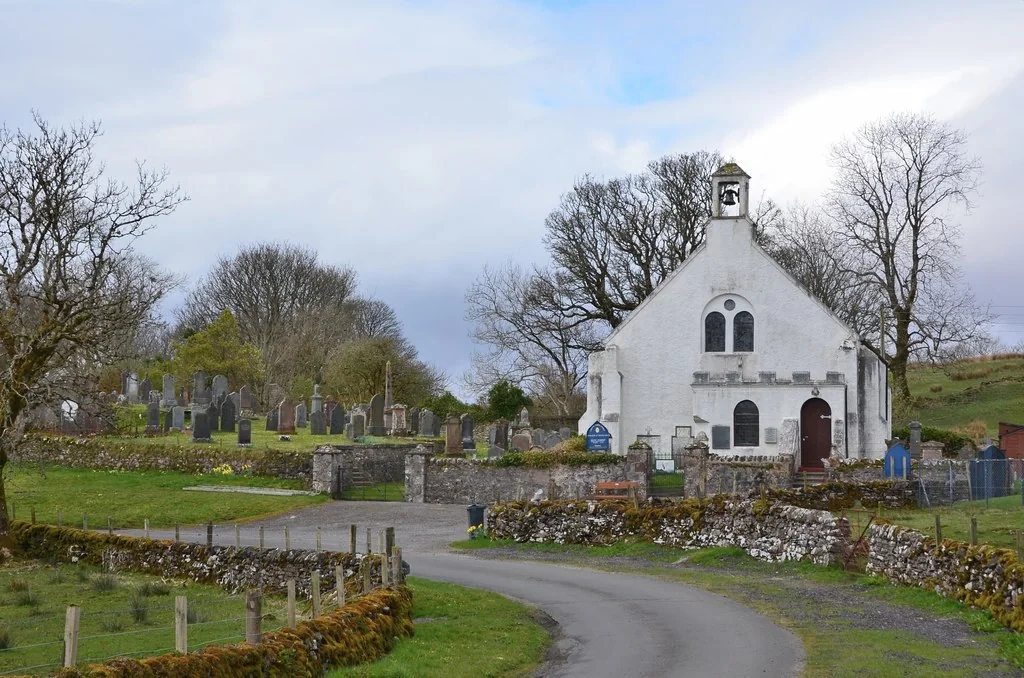
The later parish church gives the dig a visible point of reference. But a later church does not date every object beneath it. Sites can hold many phases of use, rebuilding, and burial.
Think of the ground as a set of overlapping pages. A new floor may cut into an old one. A grave may disturb a ditch.
Recording those links allows teams to work out an order.
That order is called a sequence. It matters as much as an object's beauty. A gold speck from a secure early layer tells a distinct story from one loose in topsoil.
The most useful reading of the discovery is therefore exact. Lismore now has stronger clues for the character of its early church settlement. It has not yielded a full film of every century.
Why Gold Working Matters More Than Treasure
Gold working points to skill, tools, and access to precious material. At a monastery, such clues can reveal links between faith, wealth, and local power. Small scraps may show that objects were made or repaired on site.
But they do not identify every finished piece or its owner.
A finished ornament can travel far from its workshop. Waste from making it is more likely to stay close to the place of work. That is why teams may prize a plain scrap over a shining museum piece.
A maker must control heat, keep surfaces clean, and use tools with care. The details vary by task. But the broad lesson is clear.
Fine metalwork depends on learned skill.
Raw material must also arrive somehow. It can be traded, given, reused, or taken from older objects. A scrap alone cannot tell us which route it followed.
To test the idea of a workshop, teams compare several clues. These may include tools, hearth remains, broken items, and debris from production. The strongest case comes when the clues share a secure context.
The word workshop is worth handling carefully. It can mean a place used for a range of tasks, not a neat room with a modern sign on the door.
The small scale of the clues makes the story more human. Someone kept useful pieces, made choices, and left traces. Archaeology begins when we notice those traces rather than demand a treasure chest.
An Island Linked by Water
Lismore sits within a sea landscape where water could connect communities as well as divide them. Early monasteries belonged to networks of travel, patronage, and learning. The island setting helps explain possible links.
But given routes and exchanges must be supported by objects, texts, or other direct clues.
On a modern map, the sea often looks like empty space. Roads get lines, while water gets a flat shade of blue. That can hide how earlier people used the coast.
A boat can join two shores that a land journey would keep far apart. Weather still matters. So do landing places, boats, skills, and the season.
This is not a claim that every voyage was easy. A sea route is both an opportunity and a risk. The same channel can welcome travel one day and stop it the next.
The island's Gaelic heritage gives the place another layer of meaning. Names, stories, and local knowledge shape how people see the ground. They can guide good questions without settling the answers in advance.
The monastery is linked by tradition to Mo Luóc, also known as Moluag. Past notices place him in the sixth century. That connection is key.
But tradition and excavated dates still need to be compared carefully.
What the wider setting does show is a better scale for the question. Lismore need not be judged only by the size of the island. Its role may have reached well beyond the shore.
How Volunteers Help Build Reliable History
Community archaeology can join local commitment with professional methods. Volunteers help recover and record clues under expert guidance, while specialists study dating, bones, and materials. The value lies in consistent records and shared care, not simply in the number of hands or the excitement of finding an object.
A dig needs patience before it offers drama. Soil has to be removed in controlled steps. A find needs a location, a layer, and a record that someone else can follow.
Local volunteers bring time and care that a short visit may lack. They may also know where drainage changed or a wall once stood. That knowledge is useful when it is clearly recorded and checked.
Professional leadership sets the method. It helps a team avoid turning a good question into a hunt for a preferred answer. An empty trench can be as useful as a rich one if it tests the right idea.
Much of the work happens after digging stops. Finds need cleaning, study, and storage. Samples need study.
Plans need to be drawn together rather than left as separate notes.
Burials call for given care. Human remains are clues about people, and the project must treat them with respect. A visitor should follow local guidance rather than handle or collect anything from the site.
The public benefit is also local. A community gains a fuller account of the place it lives in. That can be more lasting than a brief burst of attention for a rare find.
What We Still Cannot Say About Daily Life
The site offers clues to work, burial, and religious life. But many personal details remain unknown. Archaeologists build scenes from tested clues and clearly labeled comparisons.
We can imagine the sound of tools and the feel of island weather without pretending that those details come from a surviving diary.
It is tempting to turn every find into a named person. A tool becomes a famous monk's tool. A fine object becomes a king's gift.
Such stories are vivid. But the clues often stops before that point.
A better scene starts with normal needs. People need food, shelter, water, and ways to work. A religious settlement needs all of those things as well as places for prayer.
The craft finds add another need: suitable space for skilled production. Smoke, light, heat, and access to materials shape that work. We can ask those practical questions without inventing a given floor plan.
Season also matters. Island weather affects travel and tasks outdoors. Yet we cannot assign a wet morning to a given find unless an independent record supports it.
The same caution applies to numbers. A large burial ground does not translate directly into a population at one moment. Graves can accumulate over many generations.
For now, the gold beneath the grass asks us to look at Lismore again. A place remembered through faith and tradition also held skilled work, durable ties, and people whose hands left more than words behind.
Frequently Asked Questions
The key questions concern what the dig proves, what the metalwork means, and how the site should be treated. The answers distinguish a known past tradition from newly studied physical clues. They also explain why small finds matter most when their location and context stay intact.
Was the Lismore Monastery Newly Invented by the Dig?
No. Past records and local tradition already linked Lismore with an early monastery. The dig adds physical clues about the settlement and its activities.
Did Archaeologists Find a Complete Gold Treasure?
The central story is clues of precious-metal working, not a full treasure hoard. Small production traces can help name skilled activity on the site.
Can Visitors Take Small Finds From the Site?
Visitors should leave finds in place and follow local heritage guidance. An object loses much of its research value when its exact location and layer are lost.