
A bowl of grain porridge can leave a clue that lasts more than two thousand years. In the case of Tollund Man, traces of a final meal survived within remains preserved by a Danish bog. It is a small detail beside a much larger mystery: why his life ended there.
The Tollund Man last meal is not a final menu recovered from a written record. Teams studied physical traces and used them to infer ingredients. That gap matters.
The food tells us something real. But it does not give us a name, a conversation, or a complete account of his last day.
The quiet power of this story lies in its scale. A well-known act, eating a simple meal, becomes one of the few remaining links to a person from the Iron Age.
A Bog Preserved a Person From the Iron Age
Tollund Man was found in a Danish peat bog in 1950. His very preserved look initially made the find seem recent. Science work placed him in the Iron Age; the bog setting preserved some features very well, while other parts changed or did not survive intact.
Peat forms from plant matter that builds up where decay is slow. A bog can be wet, acidic, and low in oxygen. Those conditions act differently on skin, bone, cloth, and other materials.
Survival is therefore selective, not a pause button for the whole past.
The people who found Tollund Man were cutting peat for fuel. The find brought an ancient burial into a very normal modern task. Because the remains looked surprisingly recent, the police became part of the early response.
Museum Silkeborg records the find and the later examinations. That local account is a useful anchor because the museum studies and presents the find. Its careful details show how the first impression changed as the evidence was examined.
Radiocarbon dating places the man broadly in the fourth century BC. A date range is more useful here than a single day or year. The method estimates a period from physical evidence, and its results include doubt.
His original height and look are not as simple as they might seem from a display. The body changed within the bog. It also needed conservation after find.
Measures made in 1950 do not necessarily describe the person exactly as he stood in life.
The peaceful-looking face has shaped many accounts. A facial expression in preserved remains cannot tell us how someone felt at death. The image is powerful, but reading a calm inner state from it would go beyond the evidence.
Beginning with the bog's chemistry helps keep that distinction clear. The place preserved clues, changed others, and left gaps. We meet Tollund Man through that altered record, rather than through an untouched portrait.
What the Final Food Traces Reveal
Analysis of Tollund Man's digestive contents points to a meal based on plant ingredients, including grain. Later research also found evidence consistent with fish. These findings describe traces of food, not a remaining recipe; They cannot show who prepared the meal or exactly why it was served.
Food is often missing from ancient stories because it was eaten, spoiled, or cleared away. In this case, the body preserved a distinct route to evidence. Teams could study remains from within the digestive system rather than only a pot or a hearth.
Tiny pieces can carry useful signals. Seed shapes, grain remains, and other traces help identify plants. Distinct methods can test distinct kinds of matter.
The result is stronger when a few lines of evidence agree rather than one fragment carrying the whole claim.
Related Reading
Barley is among the ingredients linked with the meal. Other plant remains broaden the picture. The mixture is commonly described as porridge or gruel.
But that well-known word should not make us think the exact texture or taste has been recovered.
Evidence for fish adds a key limit to older simplified retellings. A story can repeat the same menu for decades even after new analysis changes it. Revisiting a famous find matters because new tools may reveal traces earlier methods missed.
The ingredients do not prove the meal was special. A food can be normal in one setting and ceremonial in one more. To argue for ritual meaning, teams need context beyond the fact that it was the last meal we can detect.
Timing also needs care. Digestive evidence can support estimates. But it cannot give a precise clock for each event.
We should not place him at a table at a named hour simply because a compelling scene would make the narrative flow.
The strong fact is more modest and more human. Before his death, he ate food made from the supplies of his world. Parts of that food survived, giving teams a glimpse of an act that often leaves almost no record.
The End of His Life Remains a Harder Question
Evidence supports that Tollund Man died by hanging, but the reason is debated. His placement in the bog has encouraged discussion of ritual sacrifice. That reading is not the same as proof of a specific ceremony, crime, or belief held by the people involved.
Cause of death and reason for death are distinct questions. Physical evidence may support how someone died. It may tell far less about who made the decision, what rules they followed, or what they believed the act would achieve.
Museum accounts discuss the rope and the examination of the neck. Those details support the conclusion about hanging. They do not need a graphic retelling to make their past role clear.
The evidence is enough without a scene of the event.
The careful placement of the remains has been key in discussion of bog sacrifice. Scholars contrast the find with other bog bodies and with ancient accounts of practices in northern Europe. Contrast can guide a reading.
But it cannot erase contrasts between cases.
There is no remaining statement from Tollund Man or the people around him. That missing voice limits claims about consent, fear, punishment, or religious purpose. A firm story about any of those would fill a gap with imagination.
The final meal also cannot solve the motive by itself. Rare ingredients might invite questions. Normal ingredients might suggest daily food.
Either way, the same meal could fit more than one setting, which is why teams keep the wider context in view.
Ancient written sources pose one more problem. A Roman author describing distant peoples may be useful, yet the account can reflect outsiders' interests and stereotypes. Matching a text to a bog find needs more than noticing a similar word or custom.
Tollund Man's death remains a question with strong physical clues and small social detail. That balance is part of the find's value. It asks us to learn what we can while refusing to invent the person’s final thoughts.
Why a Small Meal Still Matters
The food traces connect a famous bog body with everyday Iron Age life. They help teams study diet and refine older readings. The broader value is methodological: small remains can change a large story; Respectful presentation keeps the person central and marks the boundary between evidence and model.
A list of ingredients can seem less dramatic than a mystery about death. Yet it may tell us something closer to daily life. Grain had to be grown, gathered, stored, processed, and prepared.
The meal links a person with those useful activities.
Not each seed in the sample had to be chosen as food on purpose. Plants can enter stored grain or a prepared mixture in distinct ways. Teams have to ask which traces reflect ingredients and which may reflect the wider handling of food.
That question shows why lab work can change history. A tiny trace does not speak for itself. Its form, amount, and place among other traces give it meaning.
The reading grows from patient contrast rather than a dramatic first glance.
The find also reminds us that conservation becomes part of the record. Once remains leave a bog, the conditions change. Museums must preserve them in a distinct setting, and a modern display may combine original matter with other forms of presentation.
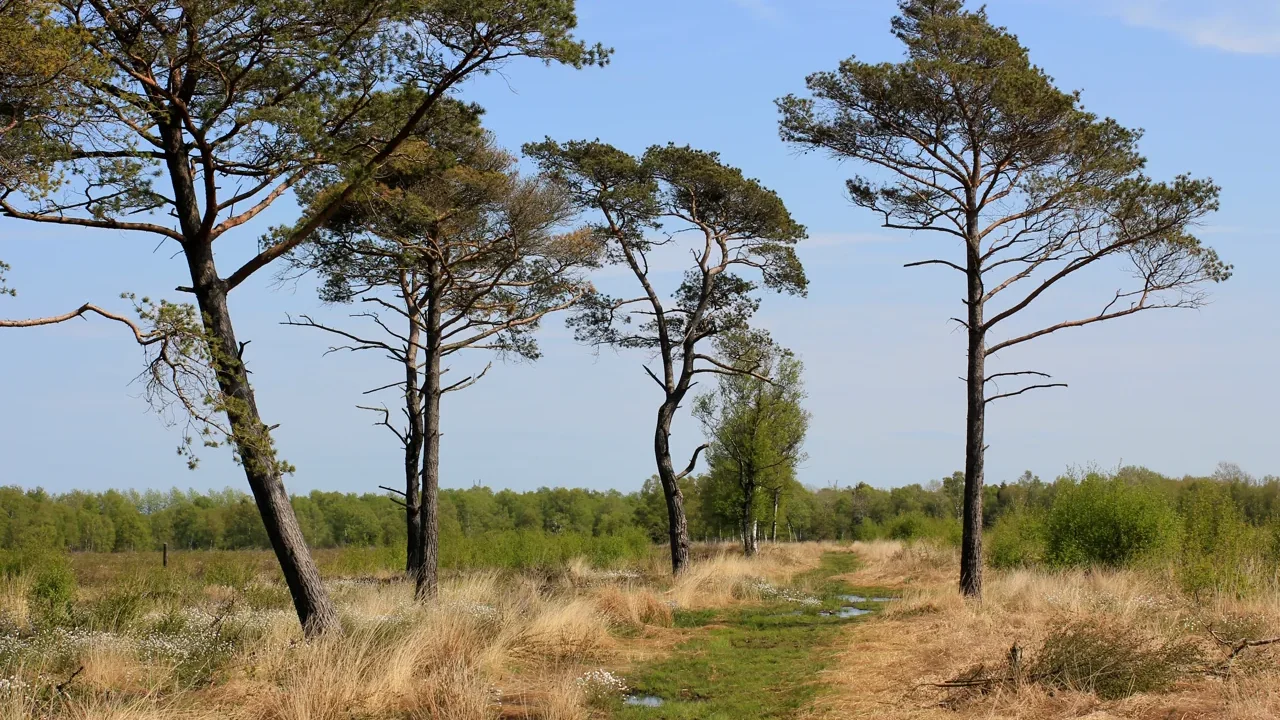
Images should therefore be captioned with care. A bog landscape can explain the setting without showing human remains. If an image depicts a museum display, the caption should identify it as such, rather than imply a fresh view of the ancient burial.
Respectful storytelling keeps Tollund Man a person with an unknown life, not a symbol who exists only for our mystery. We know some features of his body, an approximate time, and traces of food. We do not know the full life behind them.
The last meal is powerful for precisely that reason. It is small enough to feel well-known and old enough to feel distant. A few grains and other traces bring the past closer, while the unanswered questions remind us how much of one life can still be lost.
Frequently Asked Questions
These questions focus on food, reading, and survival, the three strands that make the find so informative. The answers distinguish ingredients from a complete recipe and a possible ritual from a proven event. They also explain why the bog preserved some evidence while changing or losing other parts.
What Did Tollund Man Eat Before He Died?
The evidence points to a plant-based mixture that included grain, commonly described as porridge. Later analysis also found evidence consistent with fish, so older grain-only summaries can be incomplete.
Does the Meal Prove He Was Sacrificed?
No. Food traces alone cannot show the motive for his death. Ritual sacrifice is a reading discussed alongside the burial context and other evidence.
Why Did the Bog Preserve Him So Well?
The wet, acidic, low-oxygen setting slowed some kinds of decay. It preserved materials unevenly, so the remaining remains are not an unchanged copy of his living body.