
The ground beneath a modern shop can hold the mark of a burned Roman town. In Colchester, dig teams have found red and black destruction layers linked to the revolt led by Boudica. The fire left evidence that survived far longer than the buildings it consumed.
The Boudica rebellion story is often reduced to a queen in a chariot facing an empire. That image is powerful. But it leaves out the people caught in the towns, the Roman writers who shaped the account, and the hard return to rule afterward.
Her own words have not reached us. To follow the revolt, we have to work between written histories and excavated ground, keeping the voice of the sources separate from the events they describe.
A Kingdom Caught in Roman Power
Boudica led a revolt against Roman rule in Britain around AD 60 or 61. She was linked with the Iceni, a people in eastern Britain. Roman accounts connect the revolt with abuses after her husband died, but those texts came from within the Roman world.
Britain under Rome was not one simple block of people on one side and soldiers on the other. Communities had distinct links with the empire. Some local elites worked within its rule.
Others faced demands that changed land, wealth, and power.
The Iceni belonged to this uneven political setting. Roman power could leave a local ruler in place while still controlling the wider terms. A change in leadership could therefore become a crisis, rather than a routine family succession.
Tacitus connects the revolt with the treatment of Boudica and her family after the death of Prasutagus. The abuses he describes help explain the anger in his account. They should be noted without turning suffering into a vivid invented scene.
Tacitus was not giving Boudica a platform to speak for herself. He wrote as a Roman historian with interests in power, conduct, and the empire's leaders. His view can preserve key details while also shaping them for his readers.
Cassius Dio gives one more account, written later. Contrasts between sources do not make the whole event unknowable. They do mean that a polished speech or a striking account needs to be treated as part of a written work, rather than a direct recording.
The revolt's date is often given as AD 60 or 61 because the ancient chronology leaves room for debate. Using both years is more honest than making a false display of precision. The broad date of the event within Nero's reign is clear.
The opening of the story is therefore a struggle over power in a conquered province. A queen becomes central, but the conditions around her were larger than one person’s anger.
Three Towns in the Path of the Revolt
The revolt struck major Roman towns, including Camulodunum, Londinium, and Verulamium, known today as Colchester, London, and St Albans. Damage evidence supports the scale of the crisis. Ancient casualty numbers are much harder to confirm and should not be treated like a modern count.
Camulodunum was a key Roman center, built into the landscape of an older British place. It carried signs of Roman power, not just homes. That made it a political target as well as a town where people lived and worked.
Londinium was growing as a town tied to trade and movement. Its value helps explain why the revolt mattered beyond the Iceni's homeland. A crisis that reached such places could disrupt the province's everyday links as well as its official rule.
Verulamium, near modern St Albans, was one more town hit by the revolt. The sequence in ancient accounts creates a route through the crisis. Study of the past adds evidence from individual places along that wider history.
Related Reading
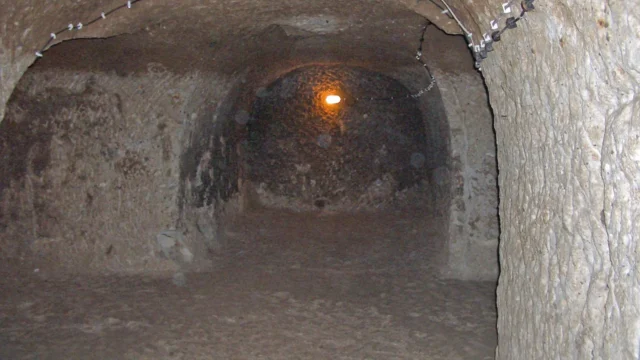
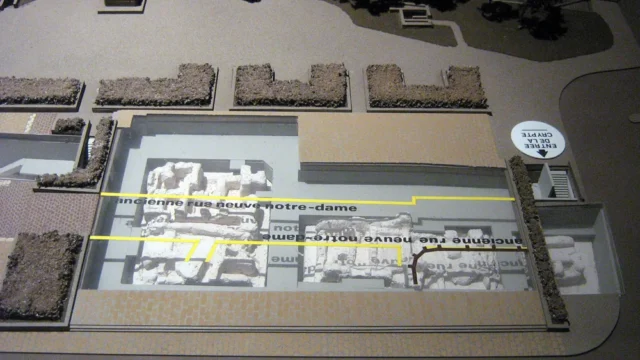
Burned layers are useful because fire changes materials. Soil, wall debris, pottery, and floors can carry traces of intense heat. At Colchester, the local heritage record describes a marked destruction layer in a few parts of the Roman town.
The layer does not identify each person responsible for each flame. Dating and context link it with the wider revolt. That is how study of the past works best here: it supports and refines the written story, rather than giving a complete account on its own.
Popular retellings often focus on very large death totals supplied by Roman writers. Those figures may communicate disaster. But they are not independently verified head counts.
Precision in an ancient number is not proof of precise measure.
The towns remind us that this was not a clean contest between two leaders. Civilians lived within the places that burned. An accurate history can note their loss without adding graphic scenes or using uncertain totals to make the revolt sound more dramatic.
A burned floor records a fire. It cannot record a speech. A written speech gives a voice to the story, but its writer may have shaped the words.
A dig tests the scene in a different way.
Why the Revolt Failed Without an Exact Battlefield
Roman forces eventually defeated Boudica's revolt. Ancient accounts describe a disciplined Roman army overcoming a much larger opposing force. The exact battle site has not been securely identified; the army narrative explains the outcome in the sources, but uncertain troop figures and locations need clear limits.
A battle site can become famous even when its location is lost. In Boudica's case, many plans have been made, but none should be presented as the settled place of the final clash. A likely route is not the same as a confirmed site.
Tacitus describes the Roman commander Suetonius Paulinus choosing ground suited to his force. That account emphasizes terrain and discipline. It fits a common Roman way of explaining win, which is one reason readers should ask how the narrative was built.
The revolt had achieved destructive successes in towns. Holding ground against an ordered army was a distinct task. A force able to gather quickly might still struggle with supply, command, or a battle that demanded close shared timing.
These are ways to grasp the army problem, not claims that we can model each decision. The record does not let us draw a sound minute-by-minute map. It does let us see that town damage and battle site win were separate kinds of success.
The same caution applies to troop numbers. Ancient writers could contrast a small disciplined army with a vast opposing crowd to sharpen the story. The contrast may reflect a real imbalance, while the exact totals remain hard to test.
Boudica's death is not described in the same way by all sources. One account gives poison; one more links her end with illness. Stating the gap is better than selecting the most dramatic version as a proven final moment.
The revolt ended, but the reasons for the crisis did not vanish in a single battle. Defeat restored Roman control. It also left officials with the question of how to govern a province that had come so close to breaking away.
The Aftermath and the Queen We Remember
Roman rule continued after the revolt, and remaining evidence points to changes in how officials handled the province. Boudica later became a symbol in British memory. Modern statues and stories show that later meaning, while the original revolt must still be read through ancient texts and study of the past.
The tomb of Gaius Julius Alpinus Classicianus, held by the British Museum, gives the aftermath a physical anchor. He became a tax official in Britain after the revolt. The monument links a logged person with the hard task of restoring rule.
Ancient accounts describe tensions over how harshly to treat the province after win. That matters because conquest did not end at the battle line. Food making, tax group, local cooperation, and rebuilding all affected whether Roman control could last.
The burned towns also had futures. People rebuilt, changed streets, and lived over the debris. Dig teams working much later found parts of the crisis beneath newer layers.
The revolt survived in the ground even where its ruins no longer stood above it.
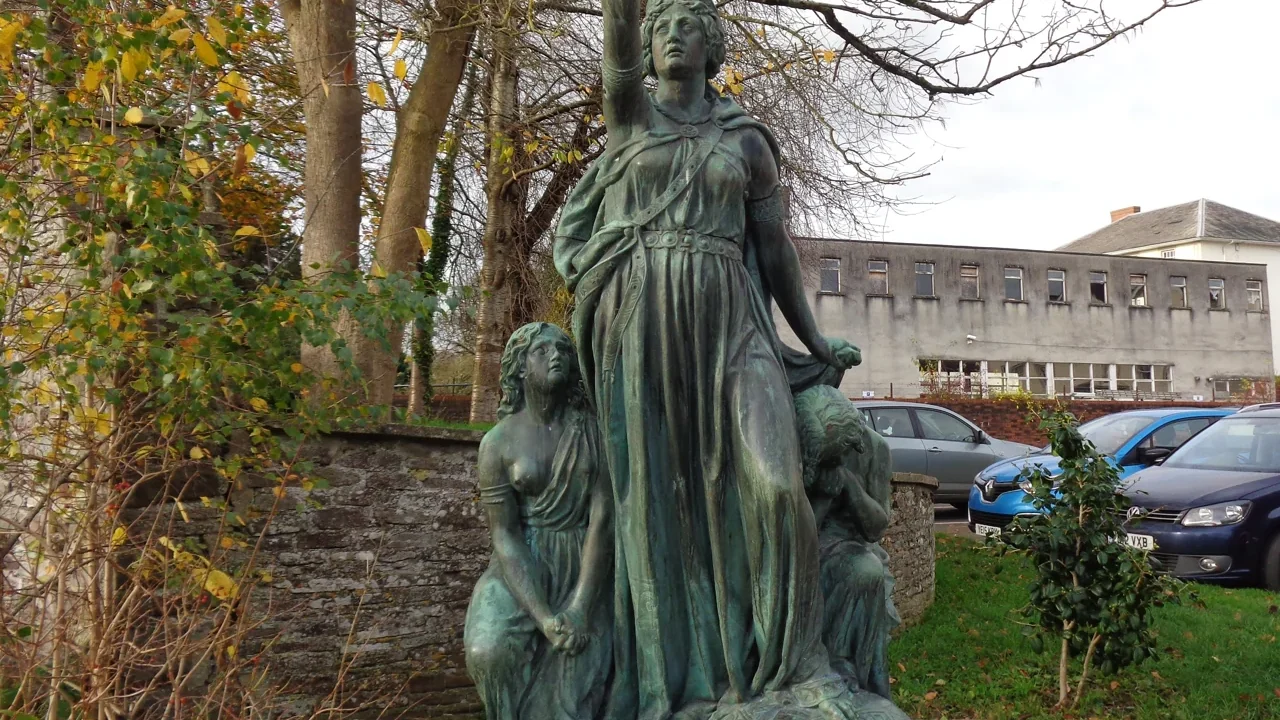
Boudica's later image grew through many centuries of retelling. A modern statue with a chariot tells us about remembrance and public art. It is not an image of her equipment or a secure portrait of her face.
That gap helps with article images. A statue can be a fine illustration when its caption names it as a modern memorial. It becomes misleading only when it is used as direct evidence for what Boudica looked like in the first century.
Her story remains compelling because the sources leave a strong outline and many gaps. A woman led a revolt that shook Roman Britain. Major towns burned.
Rome won the final army struggle. Beyond that outline, some details are debated and her own account is missing.
Return to the red and black layer under Colchester. It offers no speech and no heroic pose. It gives something quieter: material evidence that the crisis changed real places where people had lived.
That is a fitting place to begin remembering the queen behind the legend.
Frequently Asked Questions
These questions address three common places where later retellings become too certain: the burned towns, the final battle site, and the queen's speeches. The answers keep the broad revolt clear while respecting the limits of the record. Study of the past and ancient writing add distinct kinds of clues.
Did Boudica Really Burn Roman London?
Ancient accounts include Londinium among the towns struck by the revolt. Ancient damage evidence helps support the wider history of that crisis.
Do We Know Where the Final Battle Took Place?
No location has been securely shown as the final battle site. Planned sites should be described as plans, rather than settled facts.
Are Boudica's Famous Speeches Her Exact Words?
No remaining speech is a direct record of her own words. Ancient historians shaped speeches within their narratives. So they should be read as written sources.