

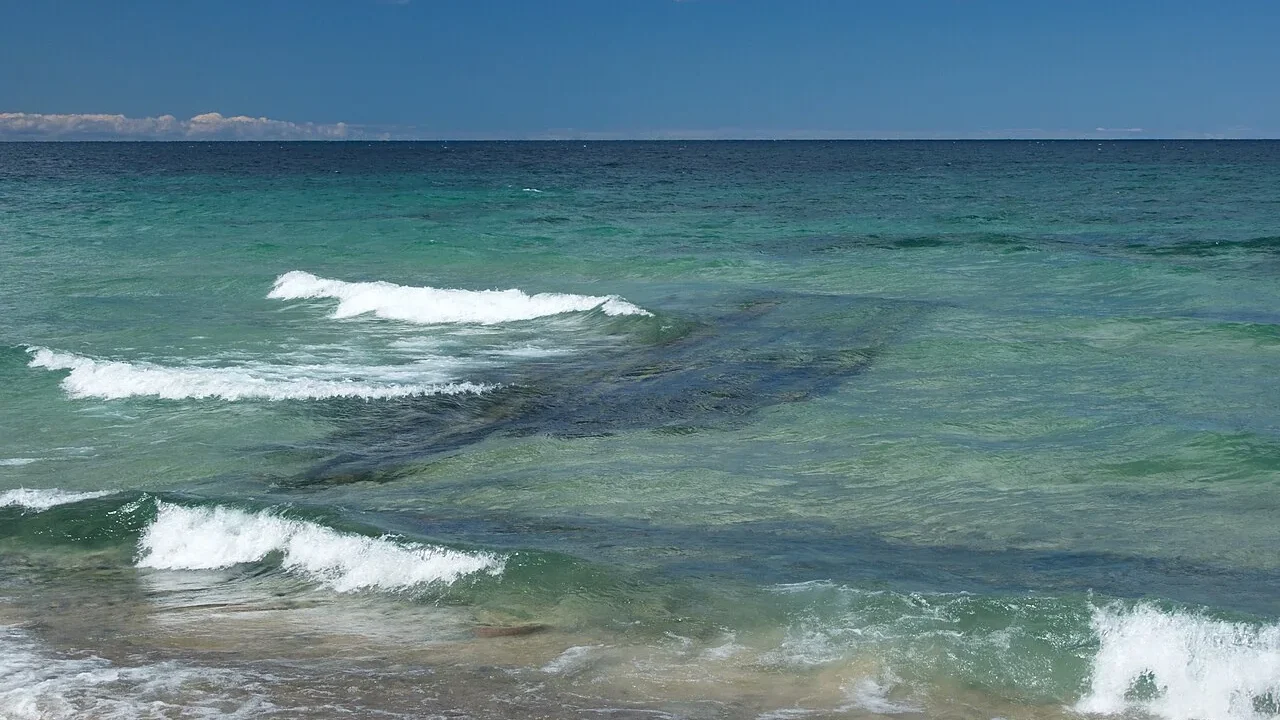
For years, a beach can look empty while a ship lies beneath it. Then a storm moves the sand, and old timbers appear where people walked the week before.
A storm exposed shipwreck on Nantucket drew renewed attention in September 2026. Reports linked the wooden remains to the Warren Sawyer, a sailing vessel lost in 1884. The wording matters: a likely identity is still a claim that needs clues.
The sea has not neatly delivered a museum exhibit. It has changed the surface of a site. More sand can move back in, and fragile wood can face a new set of stresses once exposed.
Imagine a dark beam on wet sand, its edge worn smooth by time. The real mystery is not whether it looks old. It is whether that piece fits a recorded vessel, a known wreck site, and a pattern that teams can test.
Why a Storm Can Reveal a Wreck
Storm waves and currents can remove or shift sand that covers a wreck. This may expose wood or other remains without moving the whole site in a simple way. A new look on the beach is therefore a change in visibility, not proof that the wreck itself has just arrived.
A beach is not a fixed floor. Sand moves with waves, tides, and weather. A place that looks level today can hold deep cover over objects below it.
Coastal erosion is one way that cover changes. Sediment can also move along the shore or return later. The same wreck may appear, vanish, and appear again.
That cycle helps explain why a discovery can seem new to visitors while teams have earlier records of nearby remains. The date of exposure is not the date of sinking.
A storm surge can shift water levels and allow waves to work in places they often reach less often. The details depend on the coast and the event. So one storm should not stand for every case.
The key point is that weather changes access to clues. It does not sort, label, or preserve that clues for us.
Photos taken over time can help record changes. Teams need dates, positions, and clear views rather than only a dramatic close-up.
The beach is giving a brief view into its layers. Treating that view as a moving window, rather than a permanent exhibit, is the first step toward understanding what the storm revealed.
The Warren Sawyer Connection
The Nantucket remains may be linked to the Warren Sawyer, lost in 1884. Earlier studies favored that name for related wreckage. The new exposure still needs study.
A likely match from past work does not name each piece of wood that a later storm reveals.
The Warren Sawyer was a three-masted sailing vessel. Reports of the wreck place its loss near Nantucket in December 1884 during a voyage from New Orleans toward Boston.
Those details give teams a candidate. They do not act like a name stamped onto every timber. Other clues must support the match.
The September 2026 report noted earlier exposures in late 2022 and early 2023. It also referred to a state check that favored the Warren Sawyer as the most likely identification.
Wreck identification often works by narrowing possibilities. A vessel's construction, location, age, and recorded loss can fit the clues more closely than those of other ships.
Related Reading

The phrase most likely is useful. It tells the reader that a reasoned case exists while leaving room for new facts. Removing those words makes the claim stronger than the report.
A fresh survey can compare dimensions and features with earlier records. That is more reliable than matching two social media pictures by eye.
The human story remains striking even with the doubt intact. A ship lost in the age of sail may still leave traces on a beach used by people today. Research gives those traces a more secure name.
What Old Timbers Can Tell Researchers
Ship timbers can preserve clues about construction, repair, and the vessel's form. Fasteners, joints, and measured dimensions may help narrow an identification. Those clues work best when recorded in place and compared with reliable records. one weathered beam rarely gives a full history on its own.
A timber is not just a piece of wood. Its shape may show what job it performed. A joint can reveal how it connected to another part of the vessel.
Metal fasteners add another set of clues. Their form and placement can help teams understand construction. Corrosion can also make them hard to read without specialist work.
Maritime archaeology brings those details together. It studies vessels as built systems and as clues of human activity. The cargo, route, and loss may tell a wider story than the hull alone.
Repairs are notably interesting because they record change. A vessel may carry parts from distinct moments in its working life. A single date for the wood does not always date every repair or the sinking.
Measured plans help teams compare one section with another. A scale in a photo is useful. But it does not replace a full survey when the site is hard.
That is why collecting a souvenir can destroy facts. The object may survive in a home while the links that gave it meaning are lost.
The best find is not always the most impressive object. It may be a small detail in the right place, recorded before weather changes the site again.
Exposure Can Put a Wreck at Risk
A wreck newly exposed to air, sunlight, and changing moisture can become more vulnerable. Wood that survived under wet sediment may respond poorly to sudden drying. Conservation needs specialist planning, and public access should follow local instructions rather than assume that visible remains are safe to touch or move.
Burial can shelter material from some forms of damage. Once that cover moves, the setting changes. The same piece of wood may face drying, trampling, and repeated wetting.
Conservation is not simply taking an object out of the sand. Removing waterlogged material can begin a long and costly process. Without suitable care, recovery can cause more harm than leaving it in place.
This does not mean every exposed wreck should stay untouched forever. It means the choice needs a plan based on the material, site, and available resources.
Teams may decide to record a site quickly. They may monitor it, protect it, or recover selected material. Distinct situations call for distinct responses.
Visitors can help by respecting boundaries and leaving remains where they are. A clear report to the useful local authority is more useful than pulling at a beam to test its weight.
A storm creates urgency because the window may close. More sand can cover the remains again, or another event can move them further.
That urgency belongs in the fieldwork plan, not in a rush to grab souvenirs. The goal is to keep facts from being lost while treating the material with care.
A Better Way to Read a Beach Discovery
A strong wreck report distinguishes the newly exposed remains from the proposed vessel identity. It gives the view date, location, earlier records, and the basis for comparison. Readers should look for those details before accepting an exact name, age, or cargo story attached to a dramatic beach photo.
The most dramatic image often shows only part of the site. A caption may then supply a vessel name, a century, and a tragic voyage. Each addition deserves its own clues.
Ask whether the identity comes from an official check, a specialist's working view, or a casual guess. Those sources carry distinct weight.
Also ask whether the article refers to the current exposure or an earlier one. A well-studied older section does not always settle a newly seen section nearby.
Nineteenth century ships were working objects, not only romantic silhouettes. Their routes linked ports, labor, trade, and risk. A securely named wreck can open questions about that whole world.
The Nantucket case is interesting because it connects a current weather event with an older maritime record. The beach becomes a meeting point between view and history.
The patient work comes next: compare, measure, record, and revise. That is how a dark beam on wet sand can become clues for a given ship.
Until then, the careful phrase is the best one. The remains may be linked to the Warren Sawyer. Their return to view is real.
The fullest account of their identity still belongs to research.
Frequently Asked Questions
The practical questions concern how wrecks become visible, how names are assigned, and how visitors should respond. These answers separate exposure from arrival and a likely identification from certainty. They also explain why leaving material in place can protect both the object and the facts around it.
Did the Storm Bring a New Shipwreck to Nantucket?
Not necessarily. Storms can remove sand from remains that were already buried at a site. Exposure and arrival are distinct events.
Is the Warren Sawyer Identification Certain?
Reports explain a likely connection based on earlier study. Newly exposed material still needs comparison before every piece can be assigned confidently.
Should Visitors Move Timbers to Save Them?
No. Visitors should leave remains in place and follow local authority guidance. Moving material can damage it and remove valuable context.

.jpg)