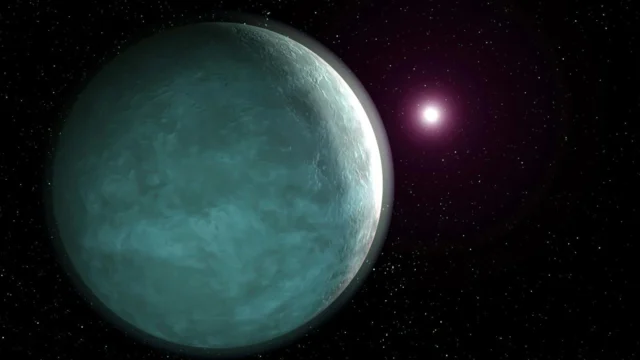
A distant planet has earned a rotten-egg comparison without anyone smelling it. The phrase comes from sulfur-bearing gases inferred through light, not from a nose carried across space.
Research on L 98-59 d explores a sulfur rich exoplanet atmosphere and a possible long-lived molten inside. The world is larger than Earth. But its fairly low density makes a simple picture of a bare rocky planet less satisfying.
Teams use spectra and models to ask what kind of planet can fit the data. The result is a proposed real story, not a firsthand view into a magma ocean.
Imagine reading the shadows of gases in starlight. Each faint feature helps narrow the options. But distinct ingredients can sometimes leave similar marks.
The test is to join chemistry, size, mass, and planetary history into an account that survives more than one test.
Why the Rotten-Egg Label Needs Context
Hydrogen sulfide has a rotten-egg smell on Earth. That explains the popular label, but no one smelled this planet. Teams infer gases from light.
The phrase points to chemistry, not a direct sensory test or a full account of all the gases around L 98-59 d.
A well-known smell can make strange chemistry easy to picture. It can also make the clues seem more direct than they are. No sample from this exoplanet has reached a human nose.
Sulfur compounds have distinct traits. Hydrogen sulfide and sulfur dioxide are not interchangeable substances, even though both contain sulfur. A headline that says sulfur should not erase that gap.
Teams study patterns in light to infer which gases may be present. The proposed identification depends on the data quality and the gas model used to read it.
L 98-59 d has been studied with Webb data and ground-based data. The methods give related but distinct views, with their own strengths and limits.
A 2026 high-resolution study reports support for hydrogen sulfide at a stated level of significance. That wording belongs with the result. It should not become a firm claim that each gas ingredient is known.
The gas layer may also vary with altitude and real settings. A measure of light passing through one part of it is not a full map from top to bottom.
The rotten-egg comparison therefore works best as an opening image. The account should quickly return to what was measured and what remains inferred.
That makes the world more striking, not less. The unusual part is that scopes can constrain chemistry on a planet far beyond reach.
The smell belongs to our Earthly reference. The research clues belong to a spectrum, a model, and the careful comparison between them.
How a Transit Lets Gases Leave a Trace
During a transit, some starlight passes through a planet's gas layer before reaching us. Gases can absorb given wavelengths, leaving a pattern that teams compare with models. The method can suggest gas ingredients.
But clouds, noise, stellar effects, and overlapping features can complicate the proposed account of a faint signal.
A transit occurs when a planet crosses in front of its star from our point of view. Most of the blocked light tells us about the planet's apparent size.
A smaller part of the signal can carry facts about the gas layer. Light that passes through the outer gas layers may lose certain wavelengths through absorption.
Related Reading
James Webb spectra split that light into a pattern. Teams compare the pattern with predictions for distinct gases and settings.
The comparison is not a simple label reader. Several combinations of gases, temperature, and clouds may fit parts of the data. The task is to see which accounts fit best and how strongly.
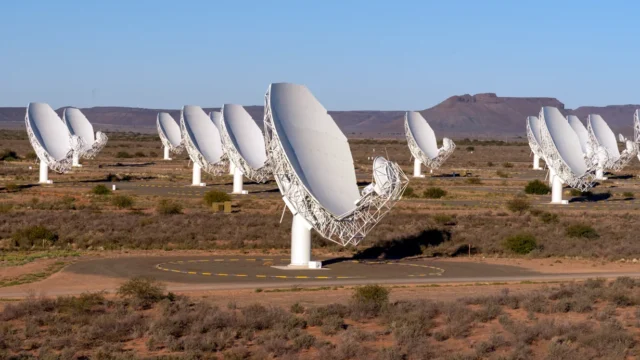
Ground-based high-resolution data offer one more method. They can separate narrow spectral features. But Earth's own gas layer creates more tests that the study must address.
Joining methods can help test a result. Agreement is useful when the data are genuinely independent and their error ranges are known.
Atmospheric chemistry also links molecules through reactions. A proposed ingredient must make sense within the broader settings, not only match one cut off feature.
This is why one tentative feature should not be treated as a full gas layer. More data can strengthen an identification, reveal a conflicting signal, or favor a distinct model.
The method remains remarkable despite those limits. A slight change in starlight can become clues about gases around one more world, if the study keeps alternative accounts in view.
Think of a prism splitting a beam into colors. A spectrum works with that same broad idea, though the real data are far more detailed. The team reads missing bits of light, not the smell, taste, or feel of a gas sample.
Why a Magma Ocean Enters the Model
The model links a gas layer with a long-lived magma ocean. Molten matter may store and release gases over time. That could fit the planet’s density and sulfur clues.
The ocean is a proposed model, not a photo, and it must match the wider data.
A planet's inside and gas layer can affect one one more. Gases may be released from molten material, while chemical settings help find which substances stay in the inside.
The proposed magma world is therefore not simply a rocky planet with a decorative layer of lava. The molten reservoir plays a role in the gas layer's long-term history.
Planet models join several kinds of facts. Mass and size constrain average density. Temperature, composition, and evolution help define possible insides and gas layers.
Low density does not name one unique structure by itself. A range of materials and gas layers can change the link between mass and size.
The 2026 study explores which long-term paths can account for the seen traits. Its proposed sulfur-rich, molten scenario is one result of that modeled comparison.
A useful model must explain more than the current spectrum. It should also show how the planet could maintain the useful settings over time.
Gas loss matters in that history. A small world close to a star may lose gases, and a supply from the inside could affect what remains. The exact balance depends on the system.
Calling the inside lasting should be read within the model and its assumptions. It is not a promise that the world will stay unchanged forever under each possible state.
The strongest question is whether future data support the linked inside-gas layer story. A model becomes more persuasive when it predicts clues that was not simply used to build it.
What This World Does Not Prove
The data do not prove life, a smelled odor, or a full interior map. They suggest a strange gas history worth more tests. Each gas claim has its own strength and limits.
More views can test whether the proposed molten world best fits the measurements.
A molecule is not a biosignature just because it appears in a dramatic headline. Sulfur-bearing gases can arise through nonliving processes, including reactions linked with a planet's inside and radiation setting.
The study's interest lies in planet diversity. A world somewhat larger than Earth can follow a very distinct chemical and thermal history.
The label super-Earth refers broadly to size or mass in a planetary group. It does not mean a better Earth, an Earth-like surface, or a place right for humans.
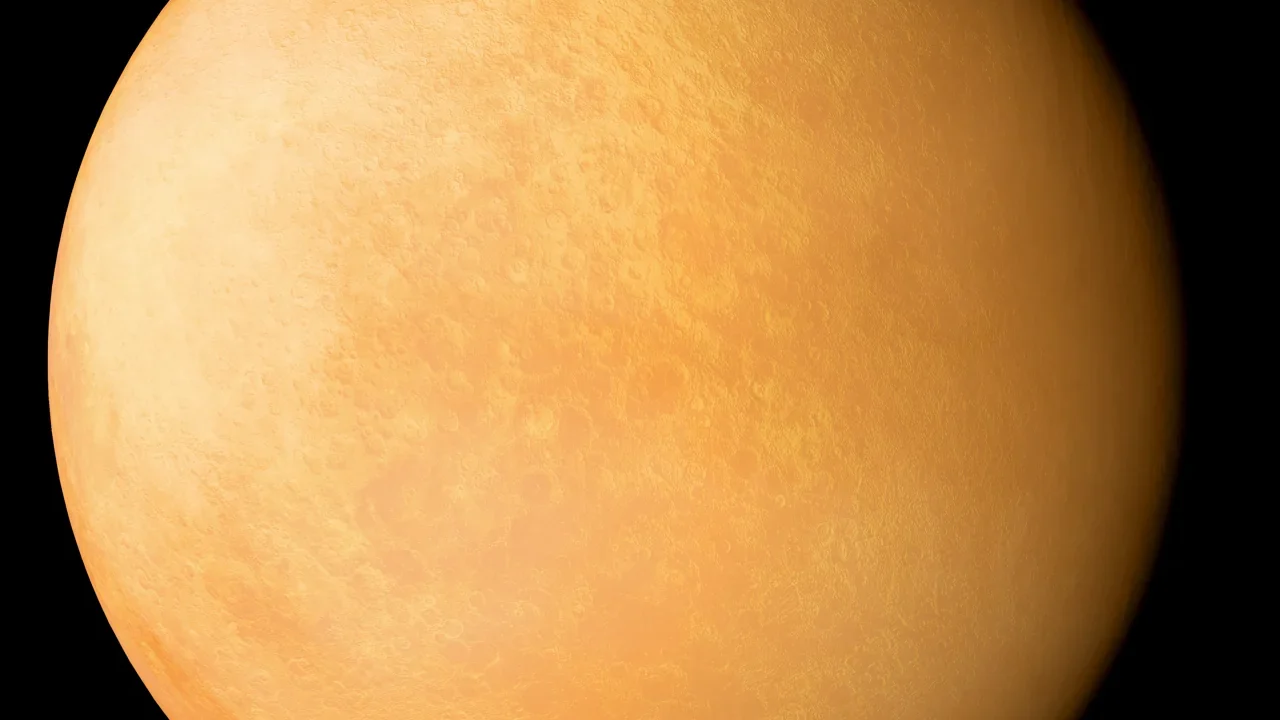
The same care applies to artist's concepts. A glowing molten surface can show a proposed model. It should not be presented as a photo showing actual lava on this planet.
A spectrum figure from a distinct exoplanet would also be misleading if used without a clear comparison label. Images need the same care as the prose.
Future work can refine the gases, temperature, and cloud settings. It can also compare this system with other small planets to see whether the proposed long-term path is unusual or more widespread.
That comparison matters because one planet can test a simple group without setting a whole new population by itself. A larger sample is needed to grasp how common the pattern is.
The story ends with a useful shift in perspective. A planet is not only its surface and sky considered on their own. The two can exchange material and shape one one more over long periods.
The rotten-egg phrase catches attention. The real find question is deeper: can a molten inside keep a small world's unusual gas layer alive, and will the next spectrum support that account?
Frequently Asked Questions
These answers explain the smell label and the actual light-based method. They separate a modeled ocean from a direct image. They also keep gas chemistry apart from evidence of life.
The world can be striking without supporting every stronger claim that a vivid headline might imply.
Did Scientists Actually Smell the Planet?
No. The smell comparison refers to a gas well-known on Earth. The planetary chemistry is inferred from light and models.
Is a Magma Ocean Directly Confirmed by a Photo?
No. The molten inside is part of a model used to explain the data. It is not a imaged ocean.
Do Sulfur Gases Prove Life?
No. Such gases can arise through nonliving chemistry. Their presence alone does not show life or habitability.