

The first light from a space telescope does not have to look beautiful. It may look uneven, raw, or oddly plain. Yet those early photons can tell engineers something precious: a camera that crossed into space is starting to work there.
NASA's Roman mission reached that stage in September 2026. Its Wide Field Instrument and Coronagraph Instrument have distinct jobs. So their early checks should not be rolled into one vague claim that a finished science mission has begun.
Space telescope first light is a milestone, not a prize for the sharpest picture. It marks the point when light from the sky reaches an instrument and becomes data. After that come careful tests.
Imagine a dark room where every switch has to work on the first try, except the room is far beyond reach. Engineers cannot walk over and adjust a cable. The test image is one way that distant machine answers back.
What First Light Really Means
First light means an instrument has recorded light from the sky for an initial test. It does not mean every setting is ready for science. Engineers still check focus, pointing, detector response, and data quality.
Roman's early data belong to this commissioning stage, before its planned routine survey work begins.
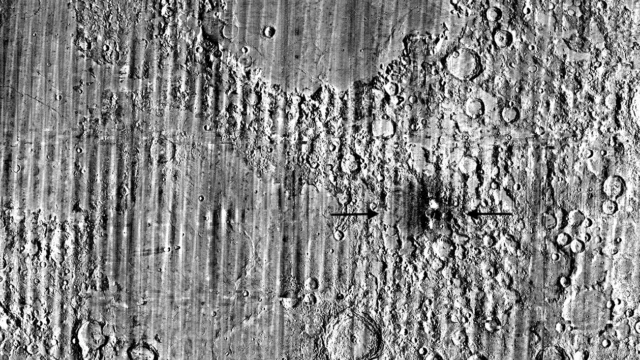
A test image can carry a lot of meaning without being a polished portrait of space. It shows whether light followed the intended path and whether the detector turned that light into a useful signal.
NASA reported the first starlight reaching Roman's Wide Field Instrument during September checks. Later in the month, the Coronagraph Instrument also opened to cosmic light. These are separate events for separate instruments.
Instrument calibration comes after the first welcome signal. Teams need to know which features in an image belong to the sky and which come from the camera itself.
For example, one part of a detector may respond slightly differently from another. If that difference is left uncorrected, it can look like a real change in a star or background.
Repeated tests help separate those effects. A useful science image is not simply a raw frame with attractive colors. It is a measured result with known limits.
This explains the gap between first light and first major science releases. An observatory can be awake before it is ready to answer its hardest questions. The delay is part of making those answers trustworthy.
A Wide View With a Different Purpose
Roman's Wide Field Instrument combines infrared vision with a broad field of view. It is designed to survey large areas rather than only take close portraits of individual targets. That survey approach can reveal patterns across many stars and galaxies, while other telescopes pursue distinct kinds of detailed data.
Think of two ways to study a forest. One researcher examines a single leaf. Another maps thousands of trees.
Both approaches matter. But the tools and questions differ.
A space observatory works in much the same way. A broad survey can collect many objects in a consistent manner. That consistency helps teams compare them without changing the setup for every target.
Infrared astronomy uses light beyond the red part of human vision. It can reveal facts that visible light alone does not give. Images must still be translated into a form our eyes can read.
The Wide Field Instrument has a roughly 300-megapixel camera. The number is impressive. But it is not a full score for research power.
Field of view, sensitivity, stability, and survey design matter too.
That is why most powerful telescope is a poor all-purpose label. A tool can excel at wide surveys and differ from another tool built for fine detail or other wavelengths.
Related Reading
Roman's planned data will support studies of dark energy, distant galaxies, and planets. Those goals depend on many data working together, not one dramatic photo.
A broad map can show something a close portrait misses: how common a pattern is. In astronomy, knowing whether a feature is rare or widespread can change the account teams consider.
Why Blocking a Star Can Reveal a Planet
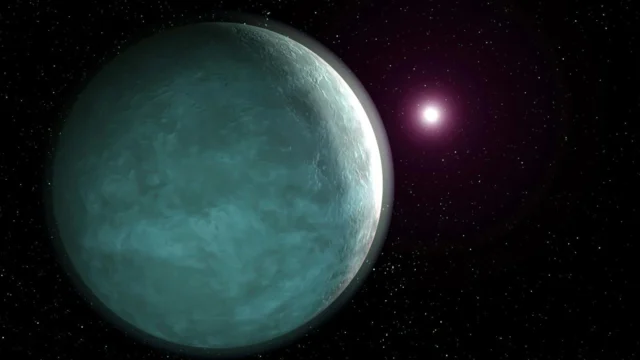
A coronagraph suppresses bright starlight to help reveal much fainter nearby objects. Roman's Coronagraph Instrument tests advanced methods for that task in space. The test is not merely making an image dark.
It is controlling stray light well enough that a faint feature can be distinguished from instrument effects.
A small lamp beside a floodlight is hard to see even when both are in plain view. An exoplanet near its star poses a far more hard version of that problem.
The star's light spreads within the instrument. Tiny flaws and changes can leave patterns that hide the planet or resemble one. A simple black spot is not enough to solve everything.
Roman's coronagraph uses several optical tools to manage that light. Its early data test how the system behaves beyond the ground laboratory.
Scientific imaging here involves more than collecting photons. It also involves learning which photons to suppress and how to recognize the remaining pattern.
The September 22 first view was a check of the system, as NASA explained later that month. It should not be set out as the early discovery of a new Earth-like world.
The task also shows why engineering and science are linked. A new way to control light can open a new kind of question. Before that question can be answered, teams must show that the tool behaves as expected.
A darkened star in a test image therefore has a bright purpose. It is part of learning how to see what glare often keeps hidden.
The Quiet Work Behind Steady Images
Exact pointing keeps a target in the right place while an instrument collects light. Roman's guidance tests help show that stability. Focus, temperature, and detector behavior also need checks.
Small effects can matter when teams compare faint objects or look for changes across repeated data over long periods.
Hold a camera still in dim light and you can feel the problem on a human scale. A small movement can blur the image. A space telescope faces stricter demands and a much more distant target.
The guidance system helps Roman maintain its aim. NASA reported a series of tests in September. Passing them supports later data.
But each instrument still has its own checks.
Temperature can affect equipment even when no one touches it. Materials expand or contract. Detectors change their response.
Engineers need a stable setting and a clear record of how the instrument behaves.
Telescope mirrors are only part of this chain. Light must reach the sensor, become a signal, travel through processing, and reach the team with enough context to be useful.
A missing piece of context can cause trouble. The same raw brightness reading may mea distinct things under distinct settings. Good data includes the settings under which it was recorded.
That work is easy to overlook because it rarely produces a striking headline. Yet it is what allows a faint difference to become a research result rather than an unexplained artifact.
The first test frames are like a sound check before a concert. They do not contain the whole performance. They help show that the instruments can work together when the real program starts.
How to Read the Next Roman Image
When a new Roman image appears, check whether it is a raw test, a processed view, or an artist's concept. Read the instrument name and caption before judging what it shows. Distinct images serve distinct purposes, and early engineering frames should not be mistaken for final research results.
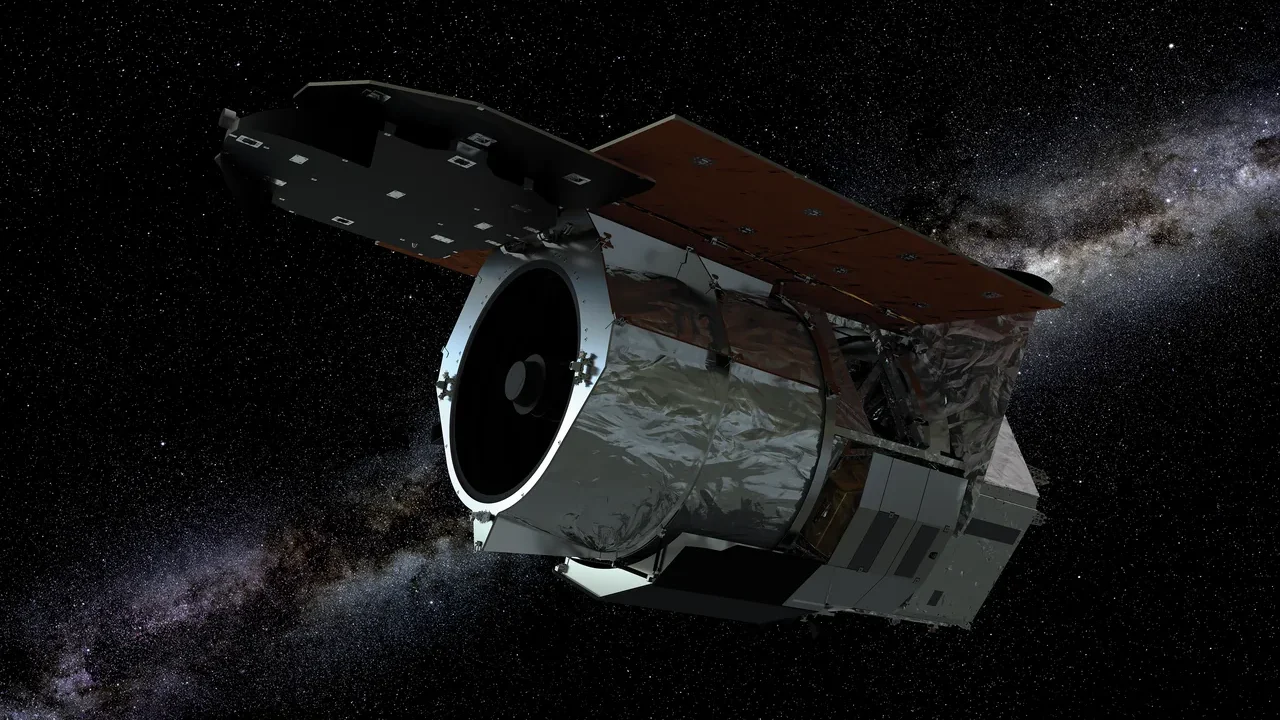
The caption is often the most useful part of a space image. It tells you what the picture actually stands for. A beautiful rendering of a spacecraft is not a photo taken by that spacecraft.
The same rule applies to color. Some images use assigned colors to show distinct wavelengths or data. That is a valid research choice when the caption explains it.
A first light image may keep details that a later release corrects. That does not make the early frame a failure. It makes it a record of the test stage.
Ask what question the image answers. Does it show that a detector works? Does it measure a star's light?
Does it map many objects? These are distinct claims.
Also look for timing. A mission launched in one month can still spend later months testing. The date of a press story is not always the date of the view.
Roman launched on August 30, 2026, according to NASA. As of this article's research date, its early instrument tests are milestones on the way to planned science work, not a completed survey.
That measured view makes first light more moving, not less. After years of work, a few distant photons arrive on a detector. They do not yet tell the whole story of the universe.
They tell us that a new way to study it is beginning.
Frequently Asked Questions
The most useful questions concern the milestone, the telescope's role, and the meaning of images. These answers separate commissioning from routine science, avoid a misleading single ranking of observatories, and explain why a spacecraft drawing must be labeled clearly rather than treated as data from the mission itself.
Is First Light the Same as the Start of Routine Science?
No. First light is an early view milestone. Commissioning and calibration still help show that the instrument is ready for dependable science work.
Is Roman More Powerful Than Every Other Telescope?
There is no single useful ranking for all telescope tasks. Roman is designed for wide infrared surveys, while other observatories have distinct strengths.
Is the Featured Spacecraft Image a Real Observation?
The featured image is a labeled artist’s concept of Roman. It explains the spacecraft and is not presented as a photo of its first light data.
.png)