

A city on the Moon would need to manufacture the most daily parts of a morning. Air must remain inside a sealed space. Water must be available.
Heat must go somewhere, and power must continue when the nearby ground lies in darkness.
The buildings may be the easiest features to picture. The less visible systems decide whether anyone can stay in them.
Building cities on the Moon is therefore not just a question of how much empty land exists. A map can show room for roads and homes while leaving out the air, energy, repair work, and supplies that make a base possible. Before the first street grows into a town, engineers have to solve problems that Earth usually hides from view.
A useful way to imagine the future is to start with those hidden services.
Every room would be part of a life-support system
Moon habitats need to hold air and water in a place where people cannot breathe outside. Waste and used air must be dealt with too. All these tasks depend on gear that works.
More rooms are useful only when the base can keep the people in them alive.
On Earth, opening a window often changes a room's air without much thought. On the Moon, the outside is not a useful source of breathing air. A habitat has to keep its own setting working.
That turns walls and seals into active parts of everyday life. A door is not just an entrance. It belongs to a system that separates different pressures and limits the movement of dust and air.
Life support also links people with machines. Breathing changes the air inside a space. Washing, cooking, and cleaning use water and create waste.
The system must handle those changes all the time.
Recycling can reduce the amount that needs to arrive from Earth. But it does not mean every loop closes perfectly. Gear requires energy, care, and replacement parts, and losses still have to be managed.
A city-scale plan therefore needs more than a count of beds. It needs to describe how its basic services grow, how failures are detected, and what happens when one part stops working.
Power has to outlast a bright photograph
A lunar settlement needs power when the Sun is there and when it is not. Light varies with the site and nearby ground. Long nights can make storage vital.
The size of a base must fit the power it can keep, not just a bright scene in a drawing.
A solar panel in a concept image usually sits beneath a bright sky. The image can show a useful source of energy without showing all the times when that source is unavailable or reduced.
The Moon's light pattern differs from the daily cycle most people know on Earth. Location matters, especially near the poles, where nearby ridges and shadows shape access to sunlight.
Storage has to bridge gaps if a system relies on solar energy. That storage brings mass, complexity, and the need to manage the states in which the gear operates.
Related Reading
NASA also studies fission surface power as one way to give a steady source. Such work involves design questions about heat, protection, transport, and long-term operation, rather than a simple choice of fuel.
Spread can become a challenge as a site grows. Power must reach living spaces, tools, contact gear, and machines that step local material. Each new task adds a demand to the system.
The ground is a resource and a problem
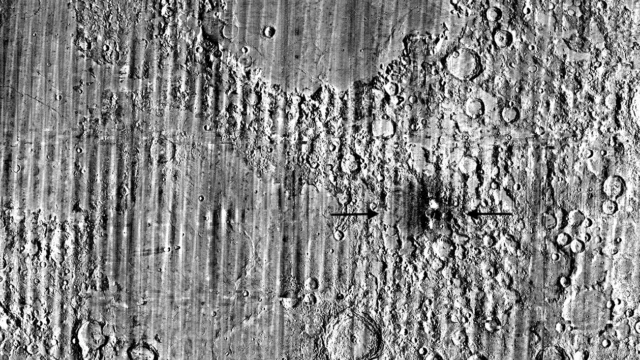
Lunar resources could help support construction and reduce supplies sent from Earth. But using them requires gear and proven steps. Regolith covers much of the surface and includes abrasive dust.
It may offer useful material while also threatening seals, machinery, and the clea spaces that people need inside a habitat.
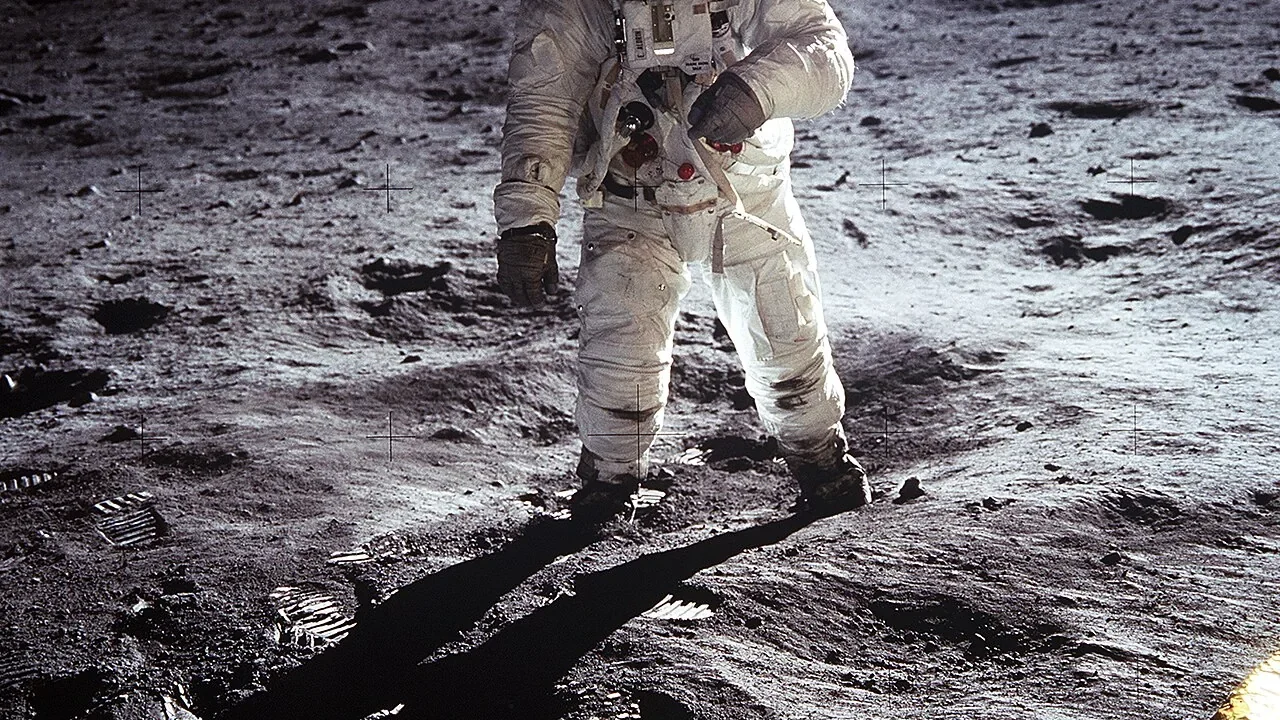
Regolith is the layer of broken rock, mineral fragments, and dust covering the lunar surface. It is not daily garden soil, and it does not behave exactly like the sand on an Earth construction site.
Repeated impacts helped make it. Without familiar weather steps to smooth every grain, some particles retain sharp edges. That makes dust a concern when it reaches moving parts or other sensitive gear.
A material can be abundant and still be difficult to use. Collecting, sorting, heating, or turning it into a useful product requires energy and machinery. Those needs belong in any claim about cheap local construction.
Water ice is another valuable possibility at some sites. But a deposit is not a tap. Its accessibility, amount, and the work needed to extract and step it must be understood.
This is why lunar resources should be described as a field of design, not as a promise of instant independence from Earth. A successful small test has to be developed into a steady operation.
The ground under a future road may help build that road. It can also enter the gear laying it and create a new care task. Both sides of the material have to be part of the plan.
Shelter needs more than a roof
A roof on the Moon must do more than look strong. Crews need cover from rays, dust, and small impacts, as well as control of heat. Rock or a cave may help with some tasks.
The site still needs checks and systems that let people live there safely.
A house on Earth sits beneath an atmosphere that does many protective jobs. The Moon lacks a comparable layer. Future crews must bring or build the protection that the outside setting does not give.
Radiation shielding is one part of the problem. The design has to consider both the material used and the people or gear it is intended to protect. More material also means more work to place it.
Temperature control is another part. A habitat produces heat from people and machines. The system must move that heat in an setting where familiar air-based cooling methods are not available outside.
Caves and lava tubes have drawn interest because rock may offer protection. Yet a promising void on a map is not a ready-made home. Access, stability, layout, and contact still need study.
The same principle applies to covering a surface habitat with local material. The cover may serve a purpose. But the structure has to support it and remain accessible for inspection and repair.
A livable place emerges when those needs are solved together. A design that answers one hazard while making another harder to manage cannot be judged by its appealing outline alone.
A settlement grows through maintenance, not just construction
Building cities on the Moon means keeping them in use, not just putting them up. Gear breaks and parts wear out. People need ways to talk, move, and get supplies.
A city can grow only as far as those tasks allow, so a map cannot tell us its maximum size.
A new building is easy to celebrate because its progress is visible. The work of keeping it usable is less dramatic. On the Moon, that quieter work may determine how large a base can become.
A worn component needs a replacement or a way to be repaired. The spare must be available before the next delivery if the service it supports cannot wait. This makes storage and planning part of the architecture.
Transport also links the site with Earth and with nearby working areas. A larger base needs more than a landing spot. It needs a way to move people, gear, and material without spreading avoidable hazards through its living area.
Robots may take on some tasks. But they also need power, care, and a method for dealing with failure. Automation changes the work rather than making all work disappear.
The question of maximum size is therefore conditional. Better technology and steady supply could allow growth. Unresolved limits could keep a site small.
No universal head count number can be read from a lunar map.
The first city would begin with modest successes repeated reliably: clean air, working power, usable water, and repairs completed when needed. The roads would connect those successes, rather than create them.
Frequently Asked Questions
Questions about a lunar city often begin with land, water, and shelter. Each needs an design answer rather than a concept image alone. These responses explain the distinction between a useful natural feature and the steady systems required to support people living there for an extended period.
Does the Moon have enough open land for a city?
There is ample surface area. But area alone does not make a place livable. Air, water, power, protection, and care set more immediate limits.
Can local regolith replace every supply from Earth?
No. Using local material requires gear and energy, and many products still need hard processing or imported parts. Resource use can reduce some supply needs without eliminating all of them.
Is a lunar lava tube already a ready-made habitat?
No. It may offer useful shelter. But access, stability, and life-support systems still need to be assessed.
A promising location is different from a safe operating home.