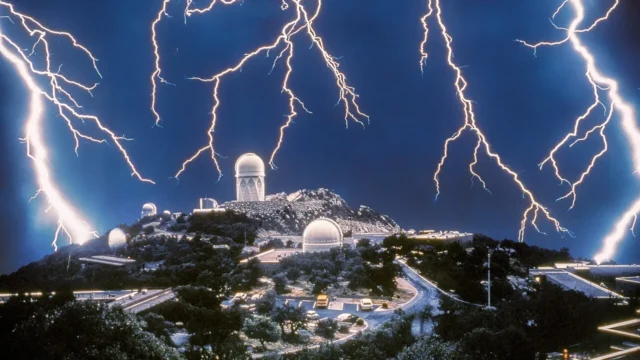


A bolt tears through a black cloud above a mountain. Below it, hot rock bursts from a vent, while the cloud makes its own fierce light. The flash looks like a clash of fire and a winter storm, yet much of its fuel is plain dust.
The story of volcanic lightning explained starts with grains too small to see from the ground. They break, rub, and drift apart inside a rising cloud. Together, they can build enough charge to turn the nearby air into a brief path for a bolt.
How can a volcano make lightning?
A volcano can make lightning when particles in its cloud gain and separate electric charge. Once the charge grows strong enough, it breaks through the air as a discharge. Ash can drive this process close to the vent, while ice may help higher in a tall, cold plume.
Think of a sweater that gives you a small shock on a dry day. The scale and setting differ, but both involve a buildup of charge and a sudden way for it to escape.
Inside an ash plume, there is no single neat battery. Hot gas lifts countless grains at different speeds, and collisions keep changing their paths. The rising cloud can sort charged particles into distinct regions.
A spark appears when the gap can no longer hold that imbalance. It may stay inside the cloud or stretch between parts of the plume.
This helps explain why a photo can show many small forks near a vent and longer flashes higher up. They share basic electrical rules, but need not form under the same conditions.
A flash also has a short life. The charged cloud must rebuild the conditions for another discharge, so a bright burst does not mean the whole plume holds one steady current.
Why ash matters before the cloud freezes
Fresh ash can take part in electrical activity even before a plume reaches freezing heights. Rock fractures and grain collisions offer ways to produce and move charge. This helps explain flashes near a vent, where a normal storm-cloud recipe based only on ice would leave part of the story out.
Related Reading
Volcanic ash is not the soft gray fluff left in a fireplace. It consists of tiny pieces of rock, minerals, and glass made as an explosive eruption tears material apart.
The phrase fragmenting magma describes one part of that violent change. New surfaces form as the melt breaks up, while grains strike one another in the fast flow.
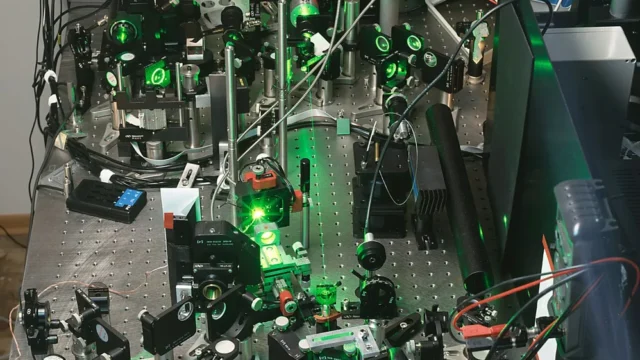
Teams recreate parts of these events in controlled labs. They drive ash through special tubes and use fast cameras to study flashes that a human eye could miss.
A lab cannot contain a whole mountain. It can, however, test a proposed cause under known conditions, so a striking photo becomes the start of a question rather than its final answer.
What happens high above the vent?
A tall plume can enter air cold enough for water to freeze. Collisions involving ice crystals and other particles may then add storm-like charging to the ash-driven process below. The balance depends on the eruption, its water supply, and the height and structure of the cloud.
Height changes the scene. A plume that began as a hot jet can cool as it rises and draws in outside air. Water carried with the eruption joins that shifting mix.
This is why one cause cannot explain every flash. A dry, low burst of ash and a huge wet cloud can have quite different electrical lives.
Even the timing matters. Early flashes near the vent may give way to broader activity as the cloud spreads into an umbrella shape.
Reading those patterns takes several tools. Images show where light appears, weather data describe the air, and field measurements help teams connect the flashes to the flow. No single photo reveals the full chain of events.
Can flashes help people track an eruption?
Lightning sensors can detect radio signals from flashes, offering another way to watch an eruption when clouds or darkness block the view. Those signals work best alongside other views. A quiet electrical record does not prove a volcano is quiet, and a flash count alone cannot measure every ash hazard.
This is more than a dramatic light show. Ash clouds threaten aircraft, and remote volcanoes can be hard to watch in bad weather. Electrical signals can add a useful clue from far away.
Teams compare them with satellite views, ground reports, and other signs of unrest. Each tool fills gaps left by the rest.
The striking picture here records a real Icelandic eruption. It captures light in one place and moment, rather than proving that all volcanoes behave the same way.
The next time you see a fork of light over a crater, look past the bolt. The hidden story sits in the grains, the cold air above them, and the shifting paths that let a cloud build its own charge.
Frequently Asked Questions
The most useful questions concern the cause, the limits, and the practical value of these flashes. Ash and cold cloud changes can both play a role, but they do not contribute equally in every eruption. Teams therefore compare electrical data with the rest of the evidence.
Is volcanic lightning the same as ordinary lightning?
Both are electrical discharges through air. The sources of charge can differ, especially where fresh ash produces activity near a volcanic vent.
Does every eruption create visible flashes?
No, eruptions vary in ash, water, height, and electrical activity. A lack of clear bolts does not mean the eruption is harmless.
Can lightning alone reveal where ash is going?
No, it provides one part of the evidence. Scientists combine it with wind data, satellite images, and other views to track a cloud.
Sources and Further Reading
Explore Science & Discoveries for more research, clear explanations, and the evidence behind new findings.